Loading...
Serving Fort Myers, FL and surrounding areas. (239) 266-9050
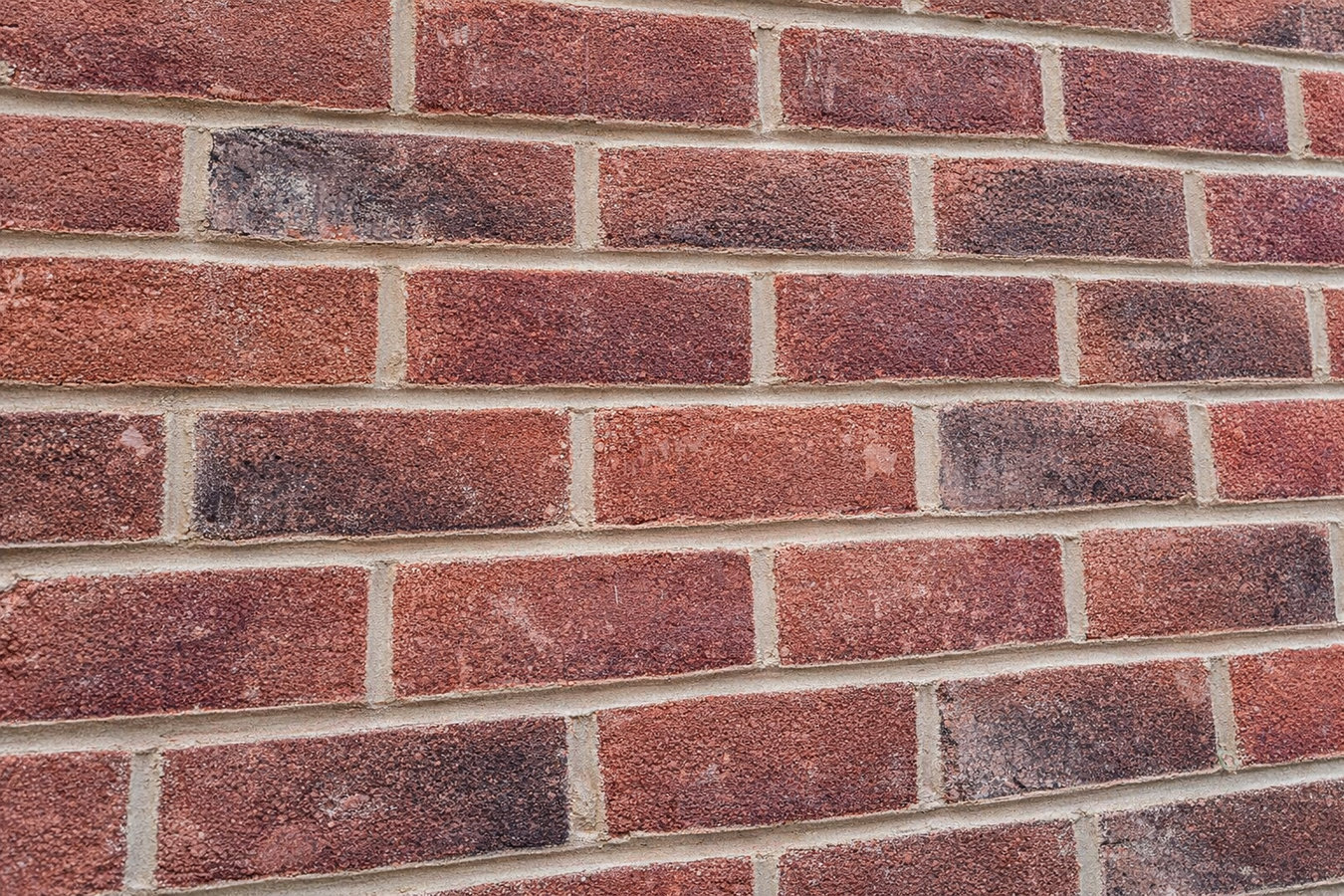
Crumbling mortar lets water into your walls every time it rains. We remove the old material, match the color, and repack the joints with mortar rated for Fort Myers heat and humidity - so your walls are tight before hurricane season.
Brick pointing in Fort Myers is the process of removing deteriorated mortar from the joints between bricks and replacing it with fresh, color-matched material - most wall and chimney sections take one to two days, while a full exterior can run three to five days depending on size and access.
Think of mortar as the sacrificial layer in your wall. It is softer than the brick by design, so it absorbs movement and moisture instead of letting those stresses crack the brick face. Over time - especially in Fort Myers, where heat, humidity, and afternoon thunderstorms cycle through almost daily in summer - that mortar breaks down. Once it crumbles or pulls away from the brick face, every rainstorm sends water into the wall. In a city that averages over 55 inches of rain per year, failing mortar is not a cosmetic problem you can put off. If your home also has older areas of brick that have shifted or cracked beyond surface mortar wear, our foundation repair service can assess whether the damage goes deeper than the mortar joints.
For most standard residential repointing work in Lee County, no building permit is required. If the job touches a chimney or involves any structural repair, that changes - and we handle the permit process if one is needed.
Run your finger along the joints between bricks. If the mortar crumbles, flakes off, or feels soft and sandy, it has broken down and is no longer doing its job. In Fort Myers's heat and humidity, this kind of surface deterioration can progress quickly once it starts - so acting sooner costs less than waiting.
If you can see gaps between bricks where the mortar has pulled away or worn back more than a quarter inch from the brick face, water is already getting in with every rain. Fort Myers gets over 55 inches of rain per year, much of it in intense afternoon storms, so open joints do not stay dry for long.
That white residue on brick walls - called efflorescence - is mineral salt left behind when water moves through the wall and evaporates on the surface. It is a reliable sign that moisture is traveling through your mortar joints. In a coastal Fort Myers home near the Gulf or a canal, this is especially common and worth taking seriously.
When mortar fails and water gets behind it, the bricks themselves can start to deteriorate - a process called spalling. You will notice the face of the brick flaking off in thin layers or developing a rough, pitted texture. Catching failing mortar before it reaches this stage is always cheaper than replacing damaged bricks.
We repoint brick walls, chimneys, garden walls, boundary walls, and other exterior masonry structures throughout Fort Myers and Lee County. Every repointing job starts by cutting out the deteriorated mortar to the proper depth - typically three-quarters of an inch - before applying new material. Just adding mortar over old without removing it first is one of the most common shortcuts in this trade, and it fails within a year or two because the new mortar has nothing solid to bond to. If your structure has broader masonry issues beyond the mortar joints, we also offer tuckpointing, which uses a contrasting fill material to create a sharp, clean joint profile on older decorative brickwork.
Mortar selection matters more in Fort Myers than in most places. Using mortar that is too hard for your existing brick - a common mistake - can cause the bricks to crack as the wall expands and contracts with temperature changes. We assess your brick hardness before choosing a mortar mix, and we use formulations rated for Florida's outdoor exposure and high-humidity coastal conditions. Color matching is part of every job: we mix a test batch, let it cure, and confirm the tone matches your existing wall before committing to the full repair. The Brick Industry Association publishes the technical standards that define what quality repointing looks like - including proper joint depth, mortar hardness matching, and joint profile - and those standards inform how we work on every project.
Best for homeowners with crumbling or recessed mortar on a garden wall, boundary wall, or exterior facing - before water infiltration leads to deeper structural problems.
Best for homeowners whose chimney mortar is deteriorating from weather exposure - keeping the chimney sealed and structurally sound without a costly rebuild.
Best for homes within a few miles of the Gulf, the Caloosahatchee, or Fort Myers canal systems - using mortar formulations that resist salt-air breakdown longer than standard mixes.
Best for homeowners who want walls sealed and watertight before the June-to-November storm season - scheduled to meet the spring deadline when local masons book up fast.
Fort Myers is consistently one of the most humid cities in the continental United States. Average annual humidity sits above 70 percent, summer temperatures regularly exceed 90 degrees, and the rainy season delivers intense afternoon storms nearly every day from June through September. That combination of heat and moisture causes mortar joints to absorb water, expand, contract, and wear down in cycles that are simply more demanding than in drier climates. Quality repointing that might last 30 years in a northern state may need attention in 15 to 20 years here. Homeowners near Fort Myers Beach or along the canal network face additional wear from salt-laden air that breaks down both mortar and brick surfaces faster than homeowners further inland realize.
Hurricane season also creates a hard deadline that does not exist most other places. Failing mortar joints are a genuine vulnerability when wind-driven rain arrives - water can force its way through gaps that would be harmless in a light shower. Most experienced local masons recommend completing any pointing work before June. Many North Fort Myers homes date from the mid-20th century building boom, and the softer brick used in that era makes mortar hardness matching especially important - using mortar that is too rigid for older brick can cause the brick face to crack rather than the mortar absorbing the stress as it should. The Lee County Building Department oversees any permitted masonry repairs in the area.
Tell us where the problem is and roughly how large the area looks. A photo helps but is not required. We reply within 1 business day to schedule a free on-site estimate - the scope of repointing work is hard to judge accurately from a photo alone.
We walk the affected area, probe the mortar joints by hand, and assess the brick type and existing mortar color so we can match the new material. You receive a written estimate that breaks down the scope - how much linear footage, whether scaffolding is needed, and the expected timeline.
We use angle grinders to cut out deteriorated mortar to the proper depth, then clean the joints before packing in fresh mortar in sections. This is the noisy part of the job. Depending on the size of the project, this takes one to three days. The crew cleans mortar residue off the brick faces before it hardens.
Fresh mortar needs 24 to 48 hours before it gets wet and up to 28 days to reach full strength. In Fort Myers's heat, we may mist the joints lightly during curing to prevent them from drying too fast. We walk the finished wall with you before the crew leaves so you can review the work in good light.
Free estimate, written quote, no pressure. We serve Fort Myers and all of Lee County.
(239) 266-9050We assess your brick hardness before selecting a mortar mix - because using mortar that is too hard for older Fort Myers brick causes the brick to crack, not the mortar. We also use formulations designed for high-humidity coastal exposure, not generic products that perform well in dry climates but fail here within a few years.
Every repointing job includes a test patch, allowed to cure, before we commit to the full wall. Many Fort Myers homes have a distinctive warm-toned or sandy mortar that reflects the regional building style - matching that tone is part of delivering a result that looks like it was always there, not patched.
We cut out deteriorated mortar to at least three-quarters of an inch depth before applying anything new. Applying new mortar over old without proper removal is the most common shortcut in this trade - it bonds poorly and fails fast. You will not get that from us.
We know that June is a real deadline for homeowners here. Hurricane-force rain through failing mortar joints is a serious risk, not a minor inconvenience. We schedule and complete pointing work before the season opens so your walls are sealed when the first major storm rolls in off the Gulf.
You can verify any Florida masonry contractor's license through the Florida Department of Business and Professional Regulation. A legitimate contractor will give you their license number without hesitation - and will also carry liability insurance and workers' compensation coverage so you are not exposed if something goes wrong on your property during the job.
When water infiltration from failing mortar reaches your foundation, structural repair addresses the root problem before it becomes a much larger bill.
Learn MoreTuckpointing uses a contrasting mortar color to create sharp, defined joint lines - an option for decorative brickwork where appearance is as important as function.
Learn MoreSpring appointments fill fast before hurricane season. Reach out today and we will get back to you within 1 business day.