Loading...
Serving Fort Myers, FL and surrounding areas. (239) 266-9050
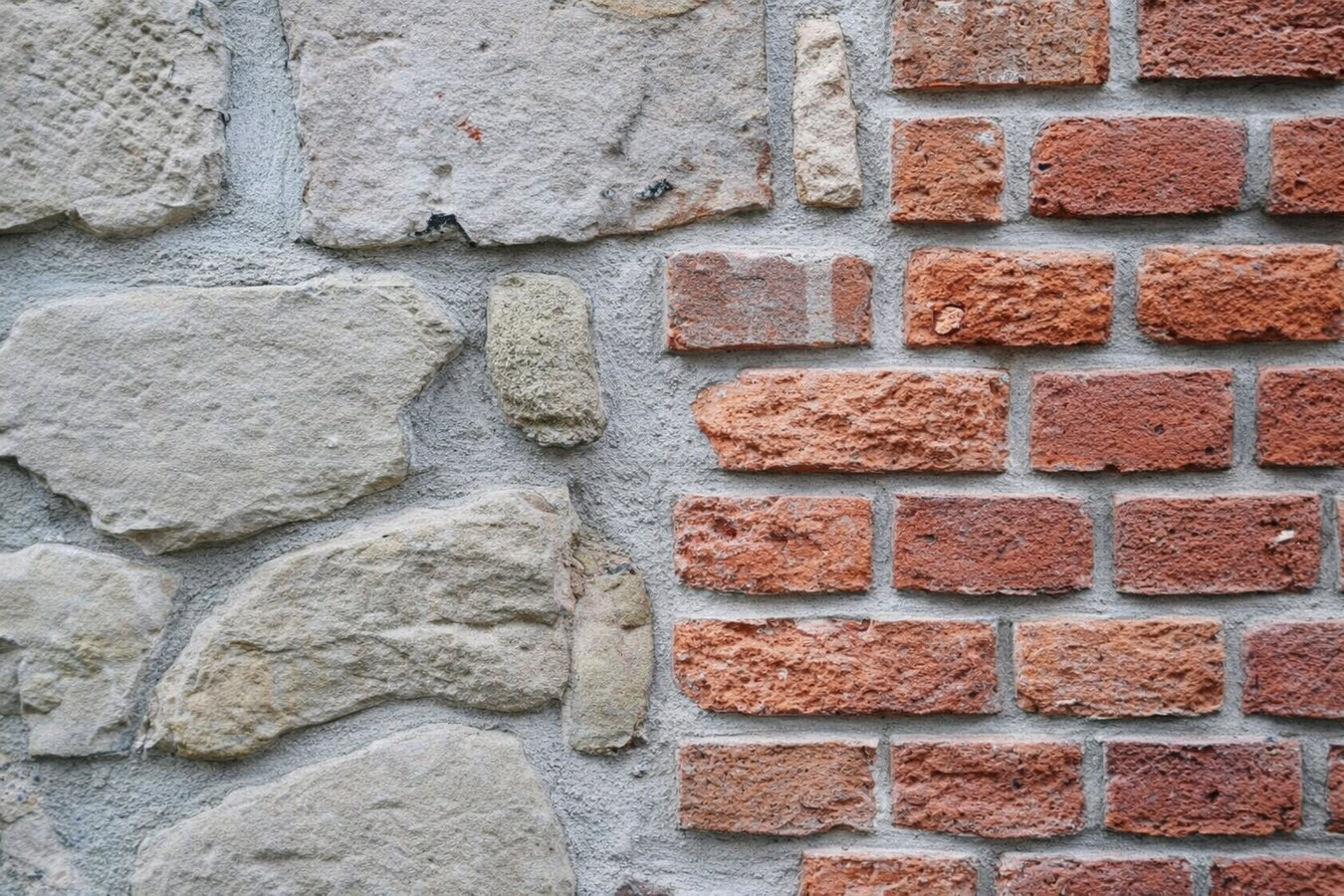
Gaps in your mortar, stucco pulling away from the block, or white staining after a rainy summer - these are early warnings your masonry is letting water in. We stop the damage before it gets expensive.
Masonry restoration in Fort Myers covers repairing, repointing, and sealing brick, concrete block, and stucco surfaces - most residential jobs take one to three days, with larger structural projects running a week or more depending on what is found beneath the surface.
Most Fort Myers homes are concrete block construction with a stucco finish, and the Gulf Coast's combination of humidity, salt air, and annual hurricane season pushes that exterior harder than most places in the country. Gaps in mortar joints or cracks in stucco are not just cosmetic - they are entry points for moisture that works deeper over time. Many homeowners also pair masonry restoration with fireplace installation when updating older homes that have multiple masonry systems in need of attention.
The right window to act is now - the November-through-April dry season is when repairs cure best and hold longest before the next storm season arrives.
Run your finger along the mortar lines between your bricks or concrete blocks. If the mortar feels soft, crumbles, or has pulled away from the block face, it is no longer sealing out water. In Fort Myers's humid climate, water that gets in does not dry out - it keeps working deeper each rainy season.
That chalky residue - efflorescence - is dissolved salt being carried to the surface as water evaporates through your masonry. With salt air already present from the Gulf, this process happens faster here than in inland cities. It signals active moisture movement through your walls, not just a surface stain.
When stucco bubbles, peels, or develops a network of hairline cracks, moisture has almost certainly worked behind the surface coating. Left alone, that moisture damages the block structure underneath - which is a far more expensive repair than fixing the stucco early.
Fort Myers averages about 55 inches of rain per year, concentrated in the summer storm season. Cracks that appear after a major rain event or after hurricane season ends are a signal worth addressing before the next round of storms. Small cracks that are repeatedly wetted tend to grow faster than most homeowners expect.
Our masonry restoration work covers the full range of what Fort Myers homes typically need - from repointing open mortar joints to patching spalled block faces, treating efflorescence, repairing stucco over concrete block, and applying protective sealers suited for coastal conditions. Every repair uses mortar matched to the color and hardness of the existing material, so finished work blends in rather than standing out as an obvious patch. When a wall has deeper issues involving the block structure itself, we address both the surface and the substrate in the same project.
For homeowners updating older properties, masonry restoration often connects to other work. We frequently pair restoration with stone masonry for homes that want to improve their exterior appearance at the same time as repairing it. And for properties where the restoration reveals larger structural concerns, we bring in our fireplace installation crew when other masonry systems in the home need attention alongside the exterior work.
Suited for homes showing open joints, crumbling mortar, or loose blocks where the structure is sound but the pointing needs full replacement.
Suited for CBS homes where the stucco finish has cracked, bubbled, or delaminated from the block layer behind it.
Suited for walls with visible salt staining where addressing the moisture source and sealing the surface can stop the cycle of repeat damage.
Suited for walls with spalled or damaged blocks, cracked brick faces, or sections where storm debris has caused impact damage that goes deeper than the surface.
Fort Myers sits close to the Gulf, and the salt particles carried in the coastal air work their way into the tiny pores of brick, block, and mortar. When those particles absorb moisture and then dry out repeatedly - which happens throughout our humid summers - they expand and contract in ways that slowly break the material apart from the inside. Add the intensity of annual storm season, and Fort Myers homeowners often see masonry deterioration faster than in drier inland cities. Most homes here are also concrete block with stucco rather than traditional brick, which means restoration work frequently involves both the surface coating and the block structure beneath it. Contractors who only know brick repointing may not be equipped for what these homes actually need. The International Masonry Institute provides training specific to block and stucco systems that most general contractors have not completed.
Scheduling matters too. The period between November and April - after hurricane season and before summer heat peaks - is the best window for mortar to cure properly and repairs to bond fully. Homeowners in Cape Coral and Estero face the same coastal conditions and use this same seasonal window. Getting repairs done in this window means you go into the next hurricane season knowing your walls are sealed and solid - not hoping they hold.
You call or fill out the contact form and we respond within one business day. We ask a few quick questions - where the damage is, roughly how much area is affected - so we know what to look for when we come out.
We walk the area with you, look closely at the damage, and explain what we see in plain terms. We check whether the issue is surface-level or whether there is deeper structural damage involved. This visit usually takes 30 to 60 minutes.
You receive a written estimate that breaks down what will be done, what materials are used, and the total cost. We tell you upfront whether a Lee County permit is required for your job and whether that cost is included - no surprises after work begins.
The crew removes damaged material, applies fresh mortar in stages, and cleans up each day. Once the work is done, fresh mortar needs 24 to 48 hours before it can get wet. We walk you through exactly what to avoid during the curing window before we leave the job.
Free on-site estimate. Written quote before any work begins. No pressure, no obligation.
(239) 266-9050Most Fort Myers homes are CBS construction with stucco exteriors - not traditional brick. We work on these systems specifically, which means we know how to assess what is behind the stucco before we start, not after.
We use mortar mixes and penetrating sealers specified for Gulf Coast humidity and salt air. The wrong product for this environment can fail within a season or two - the right product, properly applied, holds for 15 years or more. Mason Contractors Association of America standards guide our material choices.
Structural masonry work in Fort Myers often requires a Lee County building permit. We handle the application, coordinate the inspection, and give you a copy of the passed inspection for your records - so you have documentation if you sell your home or file an insurance claim.
Many Fort Myers neighborhoods have HOA architectural review requirements that apply to exterior repairs. We ask about your HOA upfront and confirm approval before touching your walls - so the finished work passes review and you avoid fines or forced rework.
Every one of these points matters more in a coastal city than it would inland. Fort Myers demands the right materials, the right permits, and a contractor who has worked in this specific environment long enough to know what holds up and what does not.
Add a gas or outdoor masonry fireplace to your Fort Myers home, built to handle coastal humidity and Lee County permit requirements.
Learn MoreNatural and manufactured stone installations that complement restored masonry exteriors and upgrade curb appeal.
Learn MoreHurricane season comes back every year - repairs done in the dry season window hold best and protect your home going into the next storm cycle.