
Loading...
Serving Fort Myers, FL and surrounding areas. (239) 266-9050
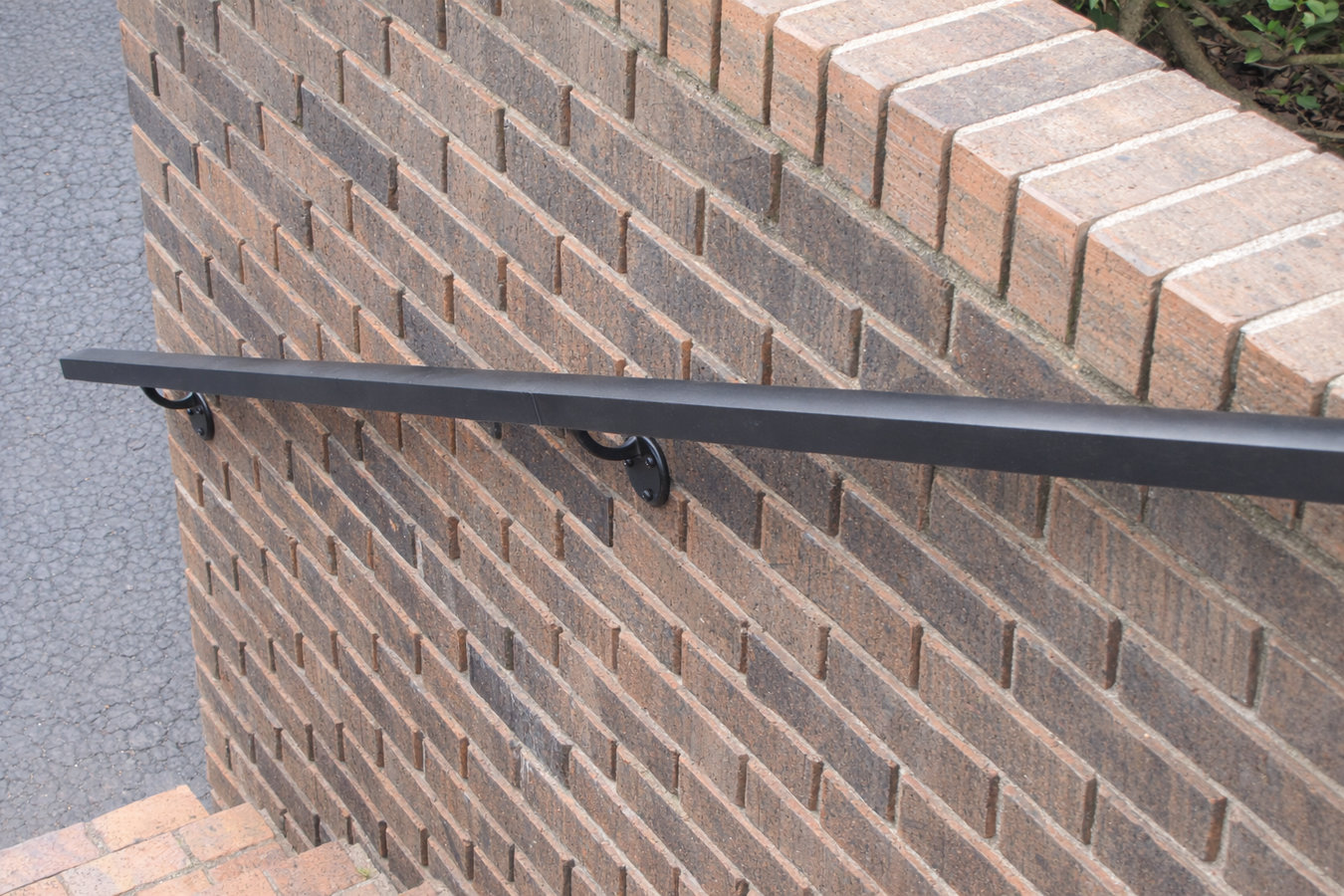
A brick wall that leans, has crumbling mortar, or was built without a proper footing is a problem waiting to get worse. We install brick walls with the right footing for Fort Myers soil and the mortar mix this climate demands.
Brick wall installation in Fort Myers means laying individual bricks row by row with mortar, on a concrete footing poured below ground - with most straightforward residential walls taking one to three days of construction once the footing has cured.
The part most homeowners do not see - the concrete footing beneath the wall - is the part that determines whether the wall is still standing and straight in ten years. Fort Myers sits on sandy coastal soil with a water table that can be close to the surface, especially in low-lying neighborhoods. A footing that would be adequate in a drier, firmer soil region is not necessarily adequate here. An experienced local mason checks the ground conditions before committing to a footing design. If you already have brick elsewhere on your property that needs attention, our brick repair service can address crumbling mortar joints or damaged bricks alongside a new installation project.
Most structural brick walls in Lee County require a building permit before work begins. We handle the permit application so you do not have to, and we coordinate with your HOA if your community requires architectural approval before construction.
If you run your finger along the lines between bricks and the material flakes off or feels soft and sandy, the mortar has broken down. In Fort Myers, the combination of intense sun, heavy summer rain, and salt air accelerates this process. Once water gets into those gaps, the damage spreads faster than you would expect - and what started as a repair can turn into a rebuild.
Stand back and look at your wall from the side - if it bows outward or leans in any direction, the structure has shifted. This is a safety concern, not just cosmetic, and in Fort Myers's sandy soil it often means the footing has moved or was never deep enough. A leaning wall does not correct itself and should be assessed by a mason before the next storm season.
That chalky white residue on brick surfaces is called efflorescence - it happens when water moves through the brick and carries mineral salts to the surface. In Fort Myers's wet season, with heavy afternoon rain nearly every day from June through September, this is a common early warning sign that water is getting into the wall and the mortar or drainage needs attention.
Fort Myers homeowners invest heavily in outdoor living, and a new patio, pool deck, or outdoor kitchen often calls for a privacy wall or decorative boundary wall to complete the space. If you are planning that kind of project, a brick wall is typically part of the design conversation from the start - it is easier and less expensive to build it alongside the other work than to add it later.
We install brick walls for a range of residential purposes - garden walls, low boundary walls, decorative courtyard walls, and privacy walls around outdoor living spaces. For homeowners who want natural stone as an alternative or complement to brick, our stone masonry service covers the same range of wall types using limestone, travertine, or fieldstone. Every brick wall starts with a concrete footing sized for the wall's height and the local ground conditions - we do not use a one-size footing approach here because Fort Myers soil does not forgive shortcuts on that step.
We use mortar formulations suited to Fort Myers's heat and humidity - a mix that cures correctly in warm, wet conditions rather than drying out too fast or staying soft in persistent moisture. Lee County is in a high-wind zone, and Florida's building code has specific requirements for how masonry walls must be anchored and reinforced to resist hurricane-force winds. Any wall we build for a permitted project meets those standards. The Brick Industry Association publishes the technical guidelines our masonry work is aligned with, covering mortar joint quality, footing requirements, and bond pattern selection.
Best for homeowners who want a low brick wall defining a garden bed, property line, or yard edge - typically one to three courses high and built without a permit in most cases.
Best for homeowners who want to block sightlines from the street or a neighboring property, or to enclose an outdoor patio or pool area from view.
Best for homeowners who want a brick wall as a design element - a backdrop for landscaping, a defined entry feature, or a curved wall that adds character to an outdoor space.
Best for homeowners whose existing brick wall was damaged by Hurricane Ian or a subsequent storm - full assessment, documentation for insurance purposes, and rebuild to current wind-load standards.
Fort Myers sits on sandy coastal soil with a water table that is often closer to the surface than homeowners expect - particularly in low-lying neighborhoods near the Caloosahatchee River or surrounding canal systems. A concrete footing that would hold a brick wall steady in a drier, firmer soil region may not be adequate here without adjustments to depth and width. A mason who has worked in this area knows to check soil conditions and drainage at the site before committing to a footing plan. Many neighborhoods in the Fort Myers area - including those near Villas - have homes built in the 1970s and 1980s where original brick walls are now reaching the end of their useful life and need rebuilding from the footing up.
Lee County is in a designated high-wind zone, and the Florida Building Code sets specific requirements for how masonry walls must be reinforced and anchored. That is not optional - it is enforced through the permit and inspection process, which is exactly why permitted work matters here. A large share of Fort Myers neighborhoods, including many communities near Cypress Lake, are governed by HOAs that have their own wall height, setback, and finish requirements beyond what the county mandates. We check both the county permit requirements and your HOA guidelines before any design is finalized, so the wall you approve is the wall that goes up - with no surprises from either direction. The Florida Building Commission maintains the wind-load and structural standards that govern permitted masonry work in this region.
We reply within one business day. The initial conversation covers what kind of wall you want, roughly where it will go, and whether there is an existing structure to remove. From there we schedule a free on-site visit to look at the ground and talk through your options - no commitment required.
After the visit we provide a written estimate that breaks down footing work, bricklaying, and any permit fees. We check whether your specific project requires a Lee County building permit and let you know upfront - permit costs and timelines are included in your estimate, not added later as a surprise.
Before any bricks go down, the crew digs and pours the concrete footing. The footing needs time to fully harden - typically two to three days - before bricklaying begins. This is not a step we rush, because the footing is what the entire wall depends on.
Bricklaying moves quickly once the footing is cured - most residential walls take one to three days. After the final brick is laid we clean the site and walk you through the finished wall. If a county inspection is required, we coordinate that on your behalf and share the inspection result with you.
Written quote, no pressure, no obligation. We reply within one business day.
(239) 266-9050Sandy coastal soil and a high water table require footings that are deeper and wider than what a standard formula would produce. We assess the ground at your site before committing to a footing design - that extra step is what prevents a wall from shifting after a few wet seasons. It is also what keeps your investment looking straight and solid a decade from now.
Hurricane Ian hit the Fort Myers area directly in 2022, damaging masonry walls, fences, and structures throughout Lee County. We have rebuilt and repaired brick walls across the area since then, and we understand how to document damage for insurance, rebuild to current wind-load standards, and work within the elevated permit scrutiny that followed the storm.
We check your HOA design guidelines before finalizing any plan, and we pull the required Lee County permits on your behalf. For communities like Gateway, Pelican Preserve, and similar master-planned neighborhoods, HOA approval can be the longer step - we help you put together a submission that is likely to pass on the first review so your project timeline does not stall.
Standard mortar formulations can dry unevenly or too quickly when temperatures exceed 90 degrees and humidity stays high - which describes most of Fort Myers's summer. We use mortar mixes suited to this climate so joints cure correctly and do not weaken prematurely. That choice shows up years later in joints that are still solid rather than crumbling.
Every one of these points reflects how Fort Myers is different from most of the country when it comes to masonry work. We build walls that are right for this place - not just walls that look right on the day they are finished.
Natural stone walls using limestone, travertine, or fieldstone - an alternative to brick that offers a distinct texture and long-term durability in Florida's climate.
Learn MoreTargeted repair of crumbling mortar joints, spalling bricks, or sections damaged by storm impact - extend the life of existing brick without a full rebuild.
Learn MoreDemand for masonry work in Fort Myers surges after every storm season - book your free estimate now and lock in your project date.